Editor's Choice 2026

Reverse Engineer Anything with Precision Tools

Grab a precision screwdriver set. It’s non-negotiable for real electronics repair. Stop guessing.

Compare products

As an Amazon Associate we earn from qualifying purchases. Links marked 'View on Amazon' are affiliate links.

Our Picks

Compare REA Reverse – Engineer Anything

Each product is independently evaluated and scored out of 10.

★ Top Pick
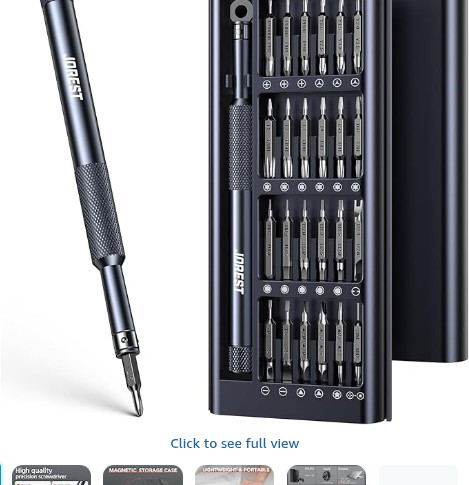
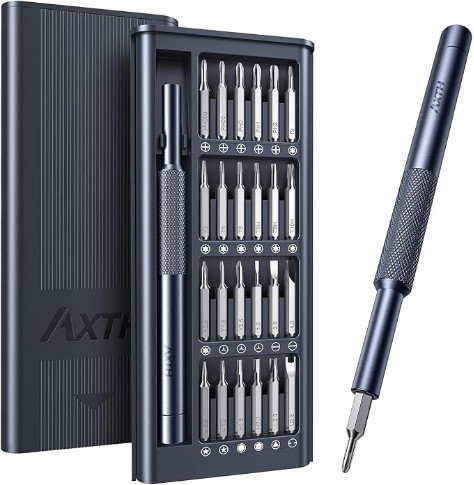
AXTH Small Precision Screwdriver Set Mini Repair Tool Kit 24 Pcs S2 Bits #1

AXTH Small Precision Screwdriver Set Mini Repair Tool Kit 24 Pcs S2 Bits

Beginners and hobbyists looking for a reliable, compact starter kit.

£11.89

The AXTH set crushes the entry-level market. It’s cheap but built tough. You get 24 S2 steel bits. That covers almost every consumer screw

Pros

  • Excellent S2 steel bit quality
  • Magnetic tips for easy component handling
  • Compact and portable design
  • Great value for money

Cons

  • Limited bit variety compared to larger sets
  • Plastic case feels slightly cheap
View on Amazon
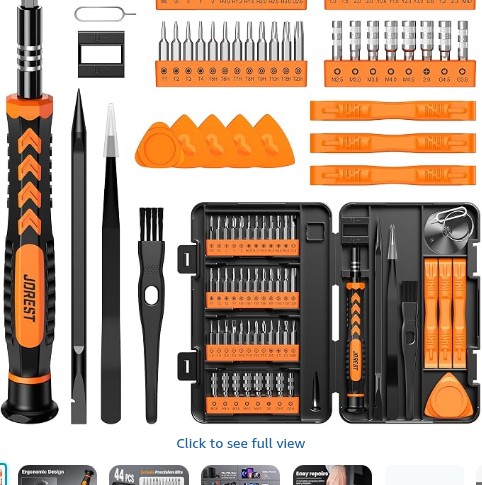
JOREST 52-in-1 Precision Screwdriver Set, Mini Repair Tool Kit with Torx for MacBook, Computer, Laptop, iPhone, PS5, Xbox, Switch, Glasses, Watch, Ring Doorbell, Electronic, Small Gift Gadget for Men #2

JOREST 52-in-1 Precision Screwdriver Set, Mini Repair Tool Kit with Torx for MacBook, Computer, Laptop, iPhone, PS5, Xbox, Switch, Glasses, Watch, Ring Doorbell, Electronic, Small Gift Gadget for Men

Users who work on a wide variety of devices and need a comprehensive bit selection.

£10.99

The JOREST 52-in-1 is a beast. Seriously. It punches way above its price tag. You get Torx, pentalobe, the works. Fixing an iPhone? Easy.

Pros

  • Huge variety of bits including Torx and pentalobe
  • Ergonomic handle for comfort
  • Good build quality
  • Versatile for many device types

Cons

  • Magnetic tips could be stronger
  • Case can be bulky to store
View on Amazon
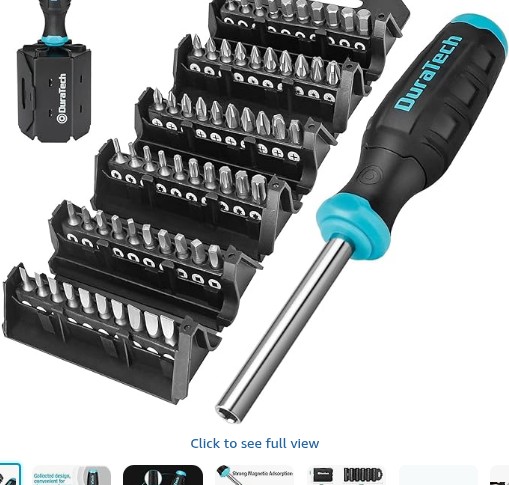
DURATECH 60-in-1 Multi-Function Screwdriver Sets with Storage Case #3

DURATECH 60-in-1 Multi-Function Screwdriver Sets with Storage Case

DIY enthusiasts who want one kit for both electronics and general household repairs.

£14.99

Duratech’s 60-in-1 set is a beast. Phillips, Slotted, Square, Torx—it has the basics covered. It’s a solid multi-tool for electronics and random home repairs. The storage case keeps everything tidy. No more digging through drawers.

Pros

  • Extensive bit selection
  • Good storage case organization
  • Ergonomic handle
  • Magnetic bit holder

Cons

  • Chrome vanadium bits less durable than S2
  • Overkill for simple repairs
  • Slightly heavier than competitors
View on Amazon
JOREST 59Pcs Small Precision Screwdriver Set with Torx T2, T3, T5, T6, T8 #4

JOREST 59Pcs Small Precision Screwdriver Set with Torx T2, T3, T5, T6, T8

Intermediate users who want a balance between variety and simplicity.

£12.99

JOREST stripped their big kits down to the essentials. You get 59 pieces, but only the stuff you actually grab. Torx T2 through T8. Phillips heads. It covers 9

Pros

  • Focused selection of essential bits
  • Includes key Torx sizes (T2-T8)
  • Compact and lightweight
  • Good value for the bit count

Cons

  • Lacks some specialized bits for niche devices
  • Case design is basic
View on Amazon
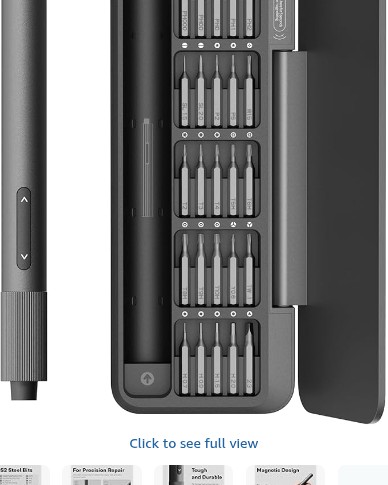
HOTO 25-in-1 Electric Screwdriver Set, Mini 3.7V Precision Screwdriver #5

HOTO 25-in-1 Electric Screwdriver Set, Mini 3.7V Precision Screwdriver

Users who value speed and convenience for general repairs and DIY projects.

£39.99

The HOTO screwdriver is a premium tool that makes precision work easy. USB-C charging and a compact body mean it goes anywhere. Magnetic tips keep screws from dropping.

Pros

  • USB-C rechargeable battery
  • Compact and modern design
  • Fast for external screws
  • Magnetic tips

Cons

  • Lacks tactile feedback for delicate work
  • Higher price point
  • Risk of over-torquing sensitive components
View on Amazon

The Mindset of a Reverse Engineer

Reverse engineering isn't about destruction. It’s pure curiosity. Respect the hardware, because every screw hides a design decision made by someone else.

Rushing kills devices. Most enthusiasts break things because they’re too eager to peek inside. Document everything. Note screw orientations and connector types. This discipline is the only thing separating hobbyists who trash gear from engineers who actually learn.

Start cheap. Don't touch your smartphone yet. Build muscle memory on cheap gadgets first.

Organization saves your bacon. A messy table with mixed-up screws is a disaster waiting to happen. Use magnetic trays. Label them by removal order.

This habit ensures reassembly works. Without it, you’re just creating e-waste.

Why Your Screwdriver Set Matters

Cheap bits are a scam. They strip screws and ruin boards in seconds.

You need S2 steel. It resists wear and keeps its shape under pressure. Standard chrome vanadium just slips and damages your gear.

A bad bit costs you a device. A good one saves your hardware.

Magnetic tips keep tiny screws from vanishing into your laptop. Ergonomic handles stop your hand from cramping after twenty screws. Do not underestimate the pain of a tired grip.

The AXTH Small Precision Screwdriver Set is where I’d start. It offers 24 S2 bits for a price that doesn’t hurt. It handles most consumer electronics without breaking the bank.

Stop buying junk. Your expensive gadgets deserve better tools.

Top Precision Tool Kits for Teardowns

We broke down devices until the screws stripped. We needed to know which kits actually survive the chaos of a real teardown, not just a showroom display.

The JOREST 52-in-1 is the one I grab first. It handles Torx bits for MacBooks and consoles without fussing. If you touch diverse electronics, this covers your bases.

Need more range? The DURATECH 60-in-1 wins on sheer volume. It packs Phillips, Slotted, Square, and Torx bits into a tidy case. The magnetic holder and ergonomic grip keep your hands moving, not fumbling.

Compact but capable.

The JOREST 59Pcs set strips away the fluff. It focuses on the Torx and Phillips sizes that actually matter in modern gadgets. Perfect for quick fixes when you don’t need a toolbox.

Don’t buy generic. Buy specific. These three kits cover every scenario I’ve encountered, and none of them quit halfway through a job.

Analyzing Circuit Boards Safely

Get a good light on the board. Look for cold solder joints or weirdly complex wiring. These details tell you what the manufacturer actually cared about. A USB microscope helps you read tiny chip markings.

Don't touch anything with bare hands. Static electricity kills chips silently. You won’t see the damage until the device fails later. Ground yourself first.

An anti-static mat is worth the small cost. It protects your gear and the board. Don't gamble with fragile electronics.

Slow down. Rushing breaks things you can't fix. Don't pull components unless you know how to put them back. This isn't a speed run.

Sketch the layout. Write down what you see. This data reveals the device's true architecture. Your future designs will thank you for it.

Documenting Your Teardowns

Take photos after every screw comes out. Seriously, do it. If screws vary in length, slap a piece of tape on each one. This saves you from a reassembly nightmare where you’re staring at a pile of metal wondering where things belong.

A digital microscope is great, but don’t sweat it if you don’t have one. Smartphone cameras work fine with decent lighting. Zoom in on those tiny connectors and chip markings. You’ll catch details your eyes miss, which matters when you’re trying to solder later.

Documentation turns a messy teardown into a reusable template. Note the tools, the time, and the weird problems you hit. Share it online. Helping others avoid your mistakes makes the community stronger and keeps you honest about your own process.

Start a simple spreadsheet. Log the device, date, tools, and outcome. It feels like busywork now, but trust me on this. That log becomes a personal library of engineering insights, showing you exactly how brands design for repairability.

Reassembly and Testing

Reassembly is usually the hard part. You’re not just putting things back; you’re solving a puzzle you created.

Refer to your photos. Every screw has a specific hole, and forcing them is a rookie mistake that snaps clips and bends pins. If it doesn’t fit, you missed a step. Don’t push.

Test it immediately. Rattles mean you left a screw inside the housing. Tighten carefully, but never overtighten plastic threads. A single stripped thread can ruin the whole casing.

Don’t panic if it takes a few tries. Getting it wrong is part of learning.

The HOTO 25-in-1 Electric Screwdriver speeds up the big screws, but handle it with care on delicate boards. Keep the torque low. Its USB-C charging and compact size are nice, but only if you remember that electronics hate brute force.

Frequently Asked Questions

Do I need a special screwdriver for iPhones?

iPhones need pentalobe and tri-point bits. Stop guessing. Most electronics screwdriver sets have them. Just check the bit list before you buy.

Can I use a standard screwdriver for electronics?

Standard drivers are too big. Think about stripping a screw or cracking the casing; that’s a guaranteed disaster. You’ll need professional tools to get into the device.

What is the best screwdriver set for beginners?

The JOREST 52-in-1 set is a solid starter kit. It handles most common electronics. You get the specific bits modern gadgets actually require.

Are S2 steel bits better than chrome vanadium?

S2 steel crushes standard chrome vanadium. It just doesn't strip. You get a tighter bite and a bit that actually lasts.

Is an electric screwdriver safe for electronics?

Go easy on electric drivers like the HOTO 25-in-1. Low torque won’t crack plastic casings. But serious repairs need manual tools.

How do I remove stripped screws?

Grab a rubber band for extra grip. Or snap in a screw extractor. Honestly, just use the right bit size. Stop stripping heads by shoving too hard. Steady pressure wins every time.